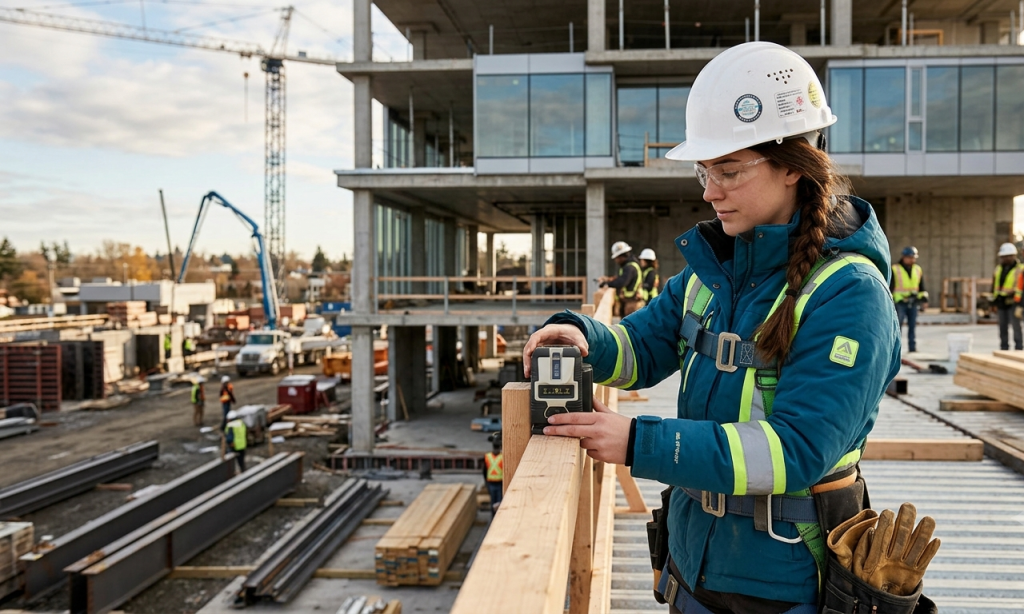
Construction & Building
The construction and building trades encompass a broad spectrum of skilled crafts responsible for constructing, renovating, maintaining, and repairing structures ranging from single-family homes to high-rise commercial buildings, bridges, and infrastructure.
Career Pathways & Advancement
[Entry Level: Helper / Laborer / Pre-Apprentice]
                        │
                        ▼
    [Registered Apprenticeship Program] (3 to 5 Years)
  (Earn-while-you-learn: paid field work + classroom instruction)
                        │
                        ▼
             [Journeyman Craftsperson]
                        │
       ┌────────────────┴────────────────┐
       ▼                                 ▼
[Field Leadership]               [Technical & Management]
• Field Foreman                  • Estimator
• Construction Superintendent    • Building Inspector
• Trade Contractor / Owner       • Project Manager
- Apprenticeships: The gold standard for entering building trades. Sponsored by trade unions (e.g., UBC, IBEW, UA) or non-union contractor associations (e.g., ABC, AGC). They allow individuals to work full-time under journeymen while attending evening or weekend classes, steadily earning wage increases as skills grow.
- Advancement Options: Skilled tradespeople can advance to superintendents managing entire job sites, transition into plan examination or building inspection, or start their own licensed contracting firms
Primary Structural & General Trades
1. Carpentry
- Overview: One of the largest and most versatile construction trades. Carpenters work with wood, metal framing, fiberglass, and composite materials.
- Specializations:
- Rough Carpenters / Framers: Construct structural framing for walls, floors, roofs, scaffolds, and concrete formwork.
- Finish Carpenters: Focus on detailed interior work including trim, cabinetry, doors, stairways, and moldings.
- Commercial Carpenters: Install steel studs, acoustic ceilings, and interior drywall frameworks.
2. Masonry & Concrete
- Masonry: Craftsmen who build walls, facades, walkways, and structures using brick, concrete blocks, stone, and mortar. Includes brickmasons, stonemasons, and refractory masons (specializing in high-heat industrial furnaces).
- Cement Masons & Concrete Finishers: Pour, level, shape, and finish concrete structures such as foundations, roads, bridges, and commercial slabs.
3. Roofing & Building Envelope
- Roofers: Install, repair, and replace roofs on residential, commercial, and industrial buildings. They work with asphalt shingles, metal panels, tiles, single-ply membranes, and waterproofing systems.
- Glaziers: Select, cut, fit, and install glass in storefronts, curtain walls, windows, and skylights on commercial and residential structures.
Heavy Construction & Specialty Trades
1. Structural Ironworkers
- Overview: Unload, erect, and connect structural steel beams and columns to form the framework of skyscrapers, bridges, and commercial buildings. They also place rebar (reinforcing steel) to strengthen concrete structures.
2. Heavy Equipment & Crane Operators
- Overview: Operate machinery such as bulldozers, excavators, backhoes, tower cranes, and mobile cranes to clear land, dig foundations, lift steel beams, and move material.
3. Elevator Installers & Repairers
- Overview: Assemble, install, calibrate, and repair elevators, escalators, moving walkways, and dumbwaiters. 1 This is consistently among the highest-paid skilled building trades due to its high technical demand and risk factors.
Mechanical, Electrical, & Plumbing (MEP) Trades
MEP trades represent the “systems” that make a building functional, safe, and comfortable. These crafts typically require technical licensing and code compliance.
1. Electricians
- Overview: Install, maintain, and repair electrical power systems, lighting, panelboards, and control systems.
- Focus Areas: Residential wiring, commercial power systems, low-voltage security/data cabling, and renewable energy integrations (like solar photovoltaic installations).
2. Plumbers, Pipefitters, & Sprinkler Fitters
- Plumbers: Install and repair water supply lines, drainage, gas systems, and fixtures in homes and commercial properties.
- Pipefitters & Steamfitters: Assemble high-pressure piping systems used for heating, cooling, steam generation, and industrial processes.
- Sprinkler Fitters: Specialized professionals who design, install, and maintain automatic fire suppression sprinkler systems.
3. HVACR Technicians & Sheet Metal Workers
- HVACR: Install and service heating, ventilation, air conditioning, and refrigeration systems.
- Sheet Metal Workers: Fabricate, assemble, and install metal ductwork and roofing components necessary for building ventilation and climate control.